


Government Schemes and Subsidies for Honey Export in India
- Posted by: Sumit Bisht
- 0 Comments

Government Schemes and Subsidies for Honey Export in India ???
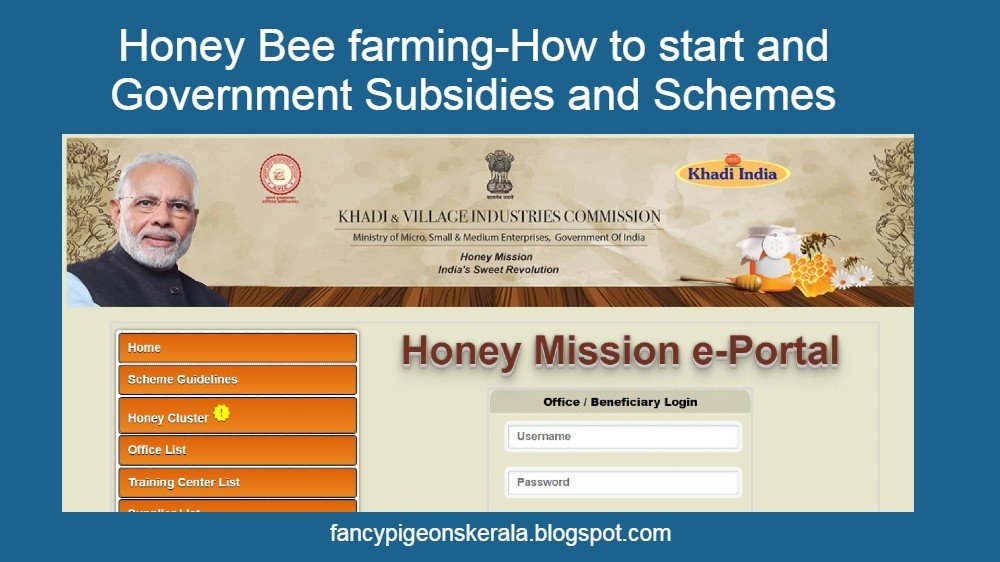
India is one of the leading honey-producing countries in the world, with a rich tradition of beekeeping and a variety of flora ideal for honey production. As global demand for natural and organic products rises, Indian honey has found a growing market abroad. To encourage and support this booming sector, the Indian government has launched several schemes and subsidies to boost honey production, quality control, and export potential.
Let’s explore the key government initiatives that empower beekeepers and honey exporters in India.

? 1. National Beekeeping and Honey Mission (NBHM)
Launched in 2020 under the Ministry of Agriculture and Farmers Welfare, NBHM is a flagship scheme for holistic promotion of beekeeping development in India.
Key Benefits:
- Subsidy for bee boxes and bee colonies (up to 40%)
- Assistance for setting up honey processing units and quality labs
- Support for training, capacity building, and marketing
- Financial help for creating FPOs (Farmer Producer Organizations) of beekeepers
Export Relevance: Helps improve the quality of honey, reduces adulteration, and builds infrastructure for international-grade processing.
? 2. APEDA – Agricultural and Processed Food Products Export Development Authority
APEDA under the Ministry of Commerce and Industry plays a vital role in promoting honey exports.
Support Provided:
- Financial assistance for infrastructure development like packaging, grading, and cold chains
- Reimbursement of lab testing charges for exported honey
- Subsidy for participation in international trade fairs
- Branding and promotion of Indian honey in global markets
Export Relevance: APEDA helps exporters meet international standards and certifications, essential for penetrating premium markets like the US, EU, and Middle East.
? 3. Honey Testing Laboratories & Certification Support
To maintain high quality and traceability, the government has supported the creation of regional honey testing labs.
Incentives Include:
- Grants to setup NABL-accredited honey testing labs
- Quality certifications like NMR testing (for EU compliance)
- Promotion of GI tags and traceability apps
Export Relevance: Ensures purity, meets importing country standards, and builds trust in Indian honey globally.
? 4. MSME Schemes for Honey Processors and Startups
If you're running a honey processing or export business, you can benefit from several MSME (Micro, Small, Medium Enterprises) support programs:
- PMEGP (Prime Minister’s Employment Generation Programme): For setting up beekeeping or processing units
- CLCSS (Credit Linked Capital Subsidy Scheme): Up to 15% capital subsidy for plant and machinery upgrades
- Stand-Up India / MUDRA Loans: Collateral-free credit for honey startups
Export Relevance: Helps small exporters scale operations and invest in modern equipment.
? 5. Export Incentives and Trade Agreements
Under India's Foreign Trade Policy, honey exporters may avail:
- MEIS/RODTEP benefits (Rebate of duties and taxes on export products)
- Support for registration of products under India Organic and Fair Trade Certification
- Assistance under Export Promotion Capital Goods (EPCG) Scheme for duty-free capital imports
? Market Growth Outlook
- India exported ~74,000 metric tonnes of natural honey in 2023-24
- Major destinations: USA, Saudi Arabia, UAE, Canada, UK
- Demand for organic, raw, and monofloral honey is increasing
? How to Avail These Schemes?
- Register with APEDA (https://apeda.gov.in/)
- Join a registered FPO or Self-Help Group under NBHM
- Apply for MSME Udyam registration
- Get your honey tested in a certified lab
- Participate in buyer-seller meets organized by APEDA or State Agriculture Boards
? Conclusion
With strong government support, India is well on its way to becoming a global leader in honey exports. Whether you're a farmer, entrepreneur, or exporter, tapping into these schemes can help you scale faster, ensure quality, and open doors to international markets. Beekeeping is not just a sustainable livelihood but a golden opportunity in India's agri-export story.
Tags: #HoneyExport #IndianHoney #NBHM #APEDA #HoneySubsidy #GovtSchemes #BeekeepingIndia #Agribusiness #ExportFromIndia #OrganicHoney
Government Schemes and Subsidies for Honey Export in India ???
India is one of the leading honey-producing countries in the world, with a rich tradition of beekeeping and a variety of flora ideal for honey production. As global demand for natural and organic products rises, Indian honey has found a growing market abroad. To encourage and support this booming sector, the Indian government has launched several schemes and subsidies to boost honey production, quality control, and export potential.
Let’s explore the key government initiatives that empower beekeepers and honey exporters in India.
? 1. National Beekeeping and Honey Mission (NBHM)
Launched in 2020 under the Ministry of Agriculture and Farmers Welfare, NBHM is a flagship scheme for holistic promotion of beekeeping development in India.
Key Benefits:
- Subsidy for bee boxes and bee colonies (up to 40%)
- Assistance for setting up honey processing units and quality labs
- Support for training, capacity building, and marketing
- Financial help for creating FPOs (Farmer Producer Organizations) of beekeepers
Export Relevance: Helps improve the quality of honey, reduces adulteration, and builds infrastructure for international-grade processing.
? 2. APEDA – Agricultural and Processed Food Products Export Development Authority
APEDA under the Ministry of Commerce and Industry plays a vital role in promoting honey exports.
Support Provided:
- Financial assistance for infrastructure development like packaging, grading, and cold chains
- Reimbursement of lab testing charges for exported honey
- Subsidy for participation in international trade fairs
- Branding and promotion of Indian honey in global markets
Export Relevance: APEDA helps exporters meet international standards and certifications, essential for penetrating premium markets like the US, EU, and Middle East.
? 3. Honey Testing Laboratories & Certification Support
To maintain high quality and traceability, the government has supported the creation of regional honey testing labs.
Incentives Include:
- Grants to setup NABL-accredited honey testing labs
- Quality certifications like NMR testing (for EU compliance)
- Promotion of GI tags and traceability apps
Export Relevance: Ensures purity, meets importing country standards, and builds trust in Indian honey globally.
? 4. MSME Schemes for Honey Processors and Startups
If you're running a honey processing or export business, you can benefit from several MSME (Micro, Small, Medium Enterprises) support programs:
- PMEGP (Prime Minister’s Employment Generation Programme): For setting up beekeeping or processing units
- CLCSS (Credit Linked Capital Subsidy Scheme): Up to 15% capital subsidy for plant and machinery upgrades
- Stand-Up India / MUDRA Loans: Collateral-free credit for honey startups
Export Relevance: Helps small exporters scale operations and invest in modern equipment.
? 5. Export Incentives and Trade Agreements
Under India's Foreign Trade Policy, honey exporters may avail:
- MEIS/RODTEP benefits (Rebate of duties and taxes on export products)
- Support for registration of products under India Organic and Fair Trade Certification
- Assistance under Export Promotion Capital Goods (EPCG) Scheme for duty-free capital imports
? Market Growth Outlook
- India exported ~74,000 metric tonnes of natural honey in 2023-24
- Major destinations: USA, Saudi Arabia, UAE, Canada, UK
- Demand for organic, raw, and monofloral honey is increasing
? How to Avail These Schemes?
- Register with APEDA (https://apeda.gov.in/)
- Join a registered FPO or Self-Help Group under NBHM
- Apply for MSME Udyam registration
- Get your honey tested in a certified lab
- Participate in buyer-seller meets organized by APEDA or State Agriculture Boards
? Conclusion
With strong government support, India is well on its way to becoming a global leader in honey exports. Whether you're a farmer, entrepreneur, or exporter, tapping into these schemes can help you scale faster, ensure quality, and open doors to international markets. Beekeeping is not just a sustainable livelihood but a golden opportunity in India's agri-export story.

Comments (0)